
Recipe Collections
No-Fuss Beginner Dinner Recipes
Learning to cook dinner should feel rewarding, not overwhelming. This collection of no-fuss beginner dinner recipes is designed for home cooks who want clear flavors, manageable prep and weeknight-friendly timing. Whether you are cooking after work, making your first real meal for…

Curated recipes
Top 48 No-Fuss Beginner Dinner Recipes
Showing the strongest 48 of 96 matching recipes. Use the cards to compare cooking time, calories and meal ideas quickly.

Balsamic-Ketchup Mini Meatloaves with Sweet Potato Mash and Almond Green Beans
Tender individual beef meatloaves brushed with a tangy balsamic-ketchup glaze, served with buttery honey sweet potato mash and…

Cheesy Baked Penne with Italian Chicken Sausage and Kale
A cozy baked penne dinner with browned Italian chicken sausage, tender kale, tomatoes, thyme, mozzarella and Parmesan.

Baked Parmesan Chicken Spinach Salad with Potatoes
A crisp panko-Parmesan crusted chicken breast served over baby spinach and roasted Yukon Gold potatoes, finished with a…

Pan-Seared Chicken with Dijon Dill Sauce, Roasted Potatoes and Green Beans
Juicy pan-seared chicken gets a quick sour cream, Dijon and dill pan sauce, served with crisp roasted Yukon…

Blackened Pan-Crisped Shrimp Tacos with Red Cabbage Carrot Slaw
Tender shrimp get a quick cornstarch coating and hot-pan sear for a crisp, golden bite, then tuck into…

Roasted Sweet Potato Tacos with Black Beans and Avocado Lime Crema
Tender roasted sweet potatoes, cumin-scented black beans, avocado slices and a tangy avocado-lime crema make these vegetarian tacos…

Lemony Chili Shrimp Rice Bowls with Basil Zucchini Ribbons
Tender chili-spiced shrimp, cool lemony zucchini ribbons, scallion jasmine rice and a warm lemon-butter drizzle come together in…

Butternut Squash Agnolotti with Kale, Pine Nuts and Sage Brown Butter
Tender butternut squash agnolotti tossed with garlicky kale, shallot, Parmesan, pine nuts and a nutty sage brown butter…

Sirloin Steak with Dijon-Parsley Butter, Roasted Yukon Potatoes and Garlic Green Beans
A simple steak dinner with seared sirloin finished in the oven, roasted Yukon Gold potatoes, garlicky green beans…

Lobster Ravioli with Shrimp, Grape Tomatoes and Tarragon Cream
Tender lobster ravioli and juicy shrimp are tossed with softened grape tomatoes, garlic, sour cream, butter and fresh…

Garlic Shrimp Tagliatelle with Heirloom Tomatoes and Lemon Cream
Fresh tagliatelle is tossed with garlicky shrimp, juicy heirloom grape tomatoes, chili, butter, sour cream and lemon for…

Pan-Seared Rib-Eye with Truffle Mashed Potatoes and Almond Green Beans
A steakhouse-style rib-eye dinner with creamy truffle-scented Yukon Gold mashed potatoes, roasted almond green beans and a quick…

Hoisin Garlic Shrimp with Ginger-Scallion Rice and Roasted Green Beans
Sweet-savory hoisin shrimp cooks quickly in a hot pan and is served over fragrant ginger-scallion jasmine rice with…

Honey Soy Ginger Chicken with Jasmine Rice and Snow Peas
A quick skillet chicken dinner with a glossy honey-soy ginger glaze, tender-crisp snow peas, lime and fluffy jasmine…

Sirloin Steak with Dijon Parsley Butter, Roasted Yukon Potatoes and Garlic Green Beans
A simple steak dinner with seared sirloin, golden roasted Yukon potatoes, crisp-tender green beans and a quick Dijon…

Pan-Seared New York Strip with Peppercorn Demi-Glace, Truffle Mash and Almond Green Beans
A steakhouse-style dinner for two with juicy pan-seared strip steak, creamy truffled Yukon Gold potatoes, roasted green beans…

Maple-Balsamic Skillet Chicken with Smoky Sweet Potatoes and Roasted Broccoli
A fast, balanced chicken dinner with a glossy maple-balsamic pan glaze, tender microwave sweet potatoes and crisp roasted…

Broiled Teriyaki-Glazed Salmon with Ginger Jasmine Rice and Green Beans
A fast, flavorful salmon dinner with glossy teriyaki glaze, sesame seeds, tender green beans and fragrant ginger-scallion jasmine…

Beef Burgers with Baked Cheddar Crisps, Onion Jam and Roasted Broccoli
Juicy beef burgers get a crunchy upgrade with lacy baked cheddar crisps, sweet-tangy red onion jam, fresh tomato…
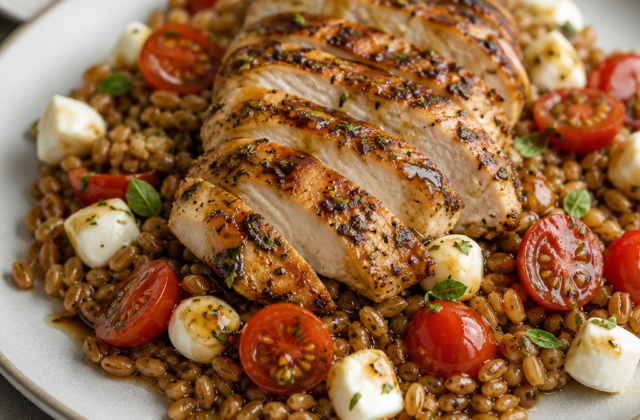
Herbes De Provence Chicken with Tomato Mozzarella Farro
Juicy skillet-seared chicken seasoned with herbes de Provence is served over warm farro tossed with grape tomatoes, fresh…

Balsamic Sirloin Steak with Arugula and Rosemary Sweet Potato Wedges
Juicy sliced sirloin is served over peppery arugula with warm grape tomatoes in a balsamic oregano vinaigrette and…

Crispy Panko-Cheddar Chicken with Sweet Potato Mash and Roasted Broccoli
Juicy baked chicken gets a crunchy cheddar-panko topping and is served with buttery mashed sweet potatoes and roasted…

Paprika-Parmesan Crusted Chicken with Lemon Green Beans and Israeli Couscous
Juicy chicken cutlets get a savory panko, Parmesan and hot smoked paprika crust, then roast alongside lemony green…

Honey-Ginger Teriyaki Pork Tenderloin with Asparagus and Basmati Rice
Tender strips of pork tenderloin are tossed with crisp asparagus in a glossy soy, hoisin, honey, garlic and…
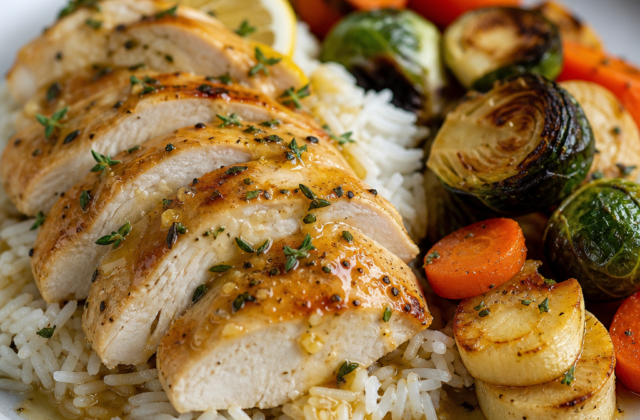
Roasted Chicken Breast with Brussels Sprouts, Parsnips and Lemon-Thyme Pan Sauce
Golden chicken breast, thyme-roasted winter vegetables, fluffy basmati rice and a bright lemon pan sauce make a cozy,…

Saucy Ground Pork Tacos with Pickled Red Onion and Chipotle Crema
Warm flour tortillas are filled with spiced ground pork, sautéed poblano, quick-pickled red onion, fresh tomato, Monterey Jack,…
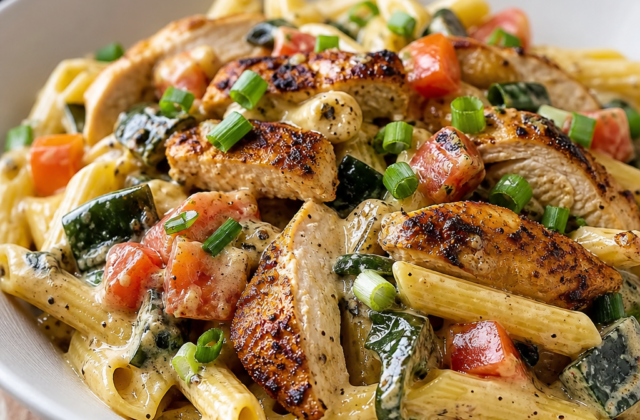
Creamy Poblano Penne with Blackened Chicken and Monterey Jack
A smoky, creamy chicken penne pasta with charred poblano, Roma tomato, scallions, garlic, cream cheese and Monterey Jack.
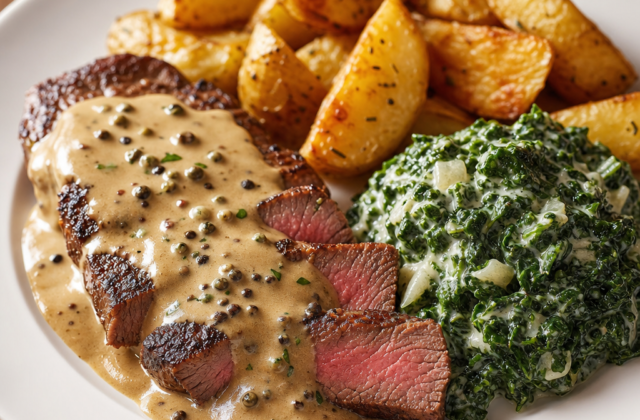
Sirloin Steak with Peppercorn Pan Sauce, Creamed Kale and Roasted Yukon Potatoes
A hearty steak dinner with seared sirloin, a creamy peppercorn pan sauce, tender creamed kale and golden roasted…
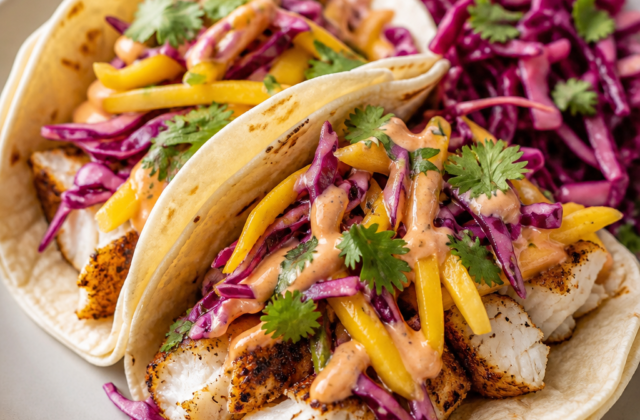
Spiced Tilapia Tacos with Mango Red Cabbage Slaw and Chipotle Crema
Quick tilapia tacos layered with crisp mango-cabbage slaw, fresh cilantro and a smoky chipotle sour cream drizzle, ready…
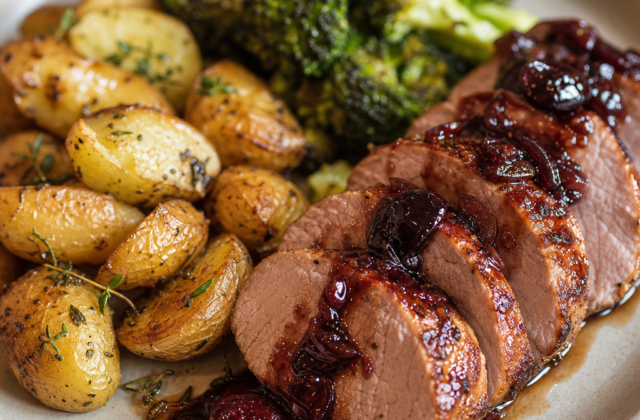
Pan-Seared Pork Tenderloin with Cherry Balsamic Shallot Glaze
Juicy pork tenderloin gets seared, roasted and finished in a glossy cherry-balsamic pan glaze, then served with thyme-roasted…
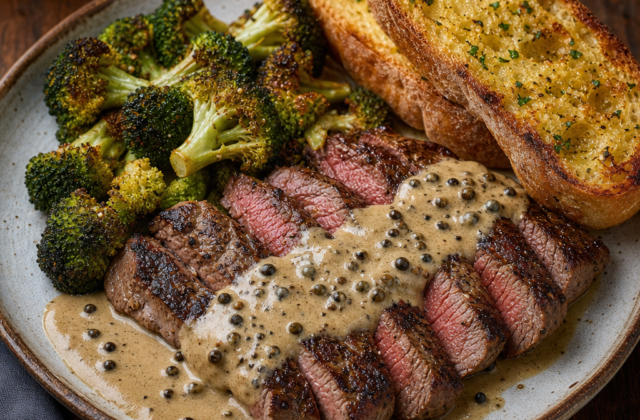
Pan-Seared Ranch Steak with Creamy Peppercorn Sauce, Roasted Broccoli and Garlic Ciabatta
A simple steak dinner with a bold crushed-peppercorn sauce, roasted broccoli and warm garlic ciabatta on the side.
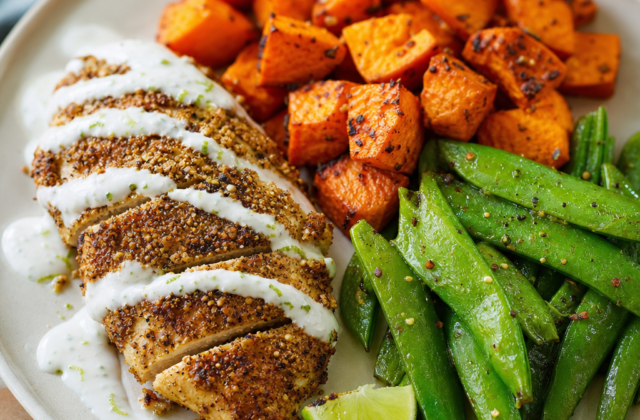
Dukkah-Crusted Chicken with Roasted Sweet Potatoes and Snap Peas
A crisp dukkah coating gives pan-seared chicken nutty crunch, while roasted sweet potatoes, sautéed snap peas and lime…

Dijon-Thyme Pork Chops with Crispy Potato Cakes and Green Beans
Juicy seared pork chops meet golden grated potato cakes, roasted green beans and a quick Dijon-thyme pan sauce…
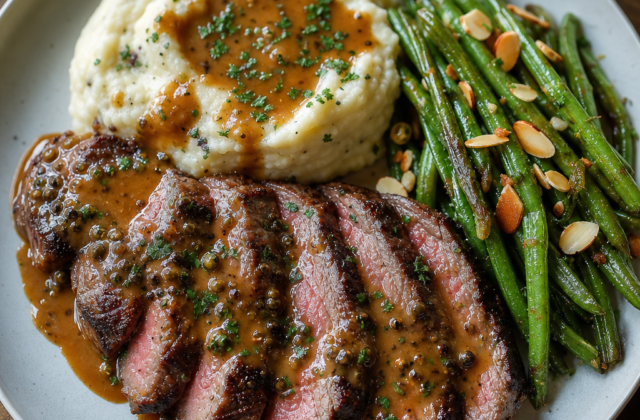
Pan-Seared Rib-Eye with Peppercorn Sauce, Truffle Mash and Almond Green Beans
A steakhouse-style rib-eye dinner with a creamy peppercorn pan sauce, truffle-scented Yukon Gold mashed potatoes and roasted green…

Ginger-Teriyaki Seared Steak with Wasabi Mashed Potatoes and Sesame Broccoli
A savory steak dinner with glossy ginger-teriyaki sauce, creamy wasabi sour cream mashed potatoes and sesame-roasted broccoli.
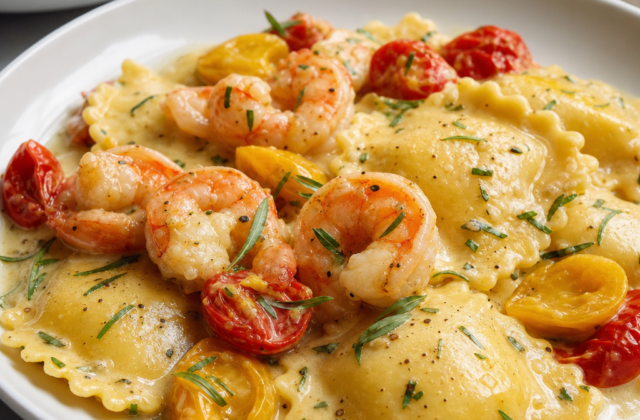
Creamy Tarragon Lobster Ravioli with Shrimp and Grape Tomatoes
Tender lobster ravioli, shrimp, sweet grape tomatoes, garlic and tarragon come together in a buttery sour cream sauce…

Skillet Orzo with Italian Chicken Sausage, Tomatoes, Spinach and Crispy Parmesan
A cozy skillet orzo dinner with Italian chicken sausage, juicy grape tomatoes, chopped spinach, mozzarella, Parmesan and a…

Creamy Cheddar Grits with Spicy Shrimp, Collards and Blistered Tomatoes
Creamy cheddar grits topped with chili-flecked shrimp, garlicky collard greens and blistered grape tomatoes make a hearty Southern-inspired…

Cumin-Roasted Sweet Potato Tacos with Black Beans and Avocado Lime Crema
Warm flour tortillas filled with cumin-scented roasted sweet potatoes, garlicky black beans, avocado slices, cilantro and a tangy…

Italian-Seasoned Chicken with Lemon Orzo and Cheesy Roasted Zucchini
Tender pan-seared chicken is served over bright lemon-parsley orzo with roasted zucchini and tomatoes finished under the broiler…

Paprika Parmesan-Crusted Chicken with Couscous and Lemon Green Beans
Juicy roasted chicken breasts get a crisp panko-Parmesan topping with hot smoked paprika, served with garlicky couscous and…
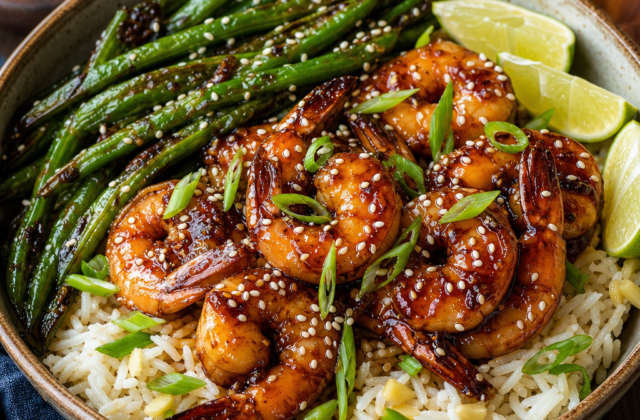
Hoisin-Glazed Shrimp Bowls with Ginger-Scallion Rice
Sweet-savory hoisin shrimp, fragrant jasmine rice with ginger and scallions, blistered green beans, lime and sesame seeds make…

Dijon Herb Butter Sirloin with Roasted Yukon Gold Potatoes and Garlicky Green Beans
A seared sirloin steak finished in the oven and topped with Dijon parsley butter, served with roasted Yukon…

Southwest-Spiced Chicken with Roasted Sweet Potatoes, Bell Peppers and Feta
Juicy pan-seared chicken gets a lime-zested Southwest spice rub and is served over roasted sweet potatoes, red and…

Italian-Herbed Chicken with Lemon Orzo and Cheesy Roasted Zucchini
Tender Italian-seasoned chicken is served over bright lemon-parsley orzo with roasted zucchini and tomato finished under the broiler…

Caramel-Glazed Pork Chops with Roasted Carrots, Parsnips and Red Onion
Boneless pork chops get a glossy sweet-savory pan glaze with thyme, garlic and a pinch of cayenne, served…

Sweet-Spiced Beef Tacos with Poblano and Pineapple Salsa
Warm flour tortillas are filled with taco-spiced ground beef, sautéed poblano and onion, bright pineapple-tomato salsa, lime crema…

Spaghetti with Beef, Zucchini and Thyme Tomato Sauce
A hearty 30-minute spaghetti dinner tossed with browned ground beef, tender zucchini, crushed tomatoes, garlic, thyme, Italian seasoning,…
Why these recipes work
How this collection helps you choose faster
This page narrows 96 matching DandyRecipes into a focused set of useful ideas for no-fuss beginner dinner recipes.
- They are filtered for realistic cooking times, so quick meals stay quick.
- The list focuses on dinner-ready recipes with practical mains and complete plates.
- Use the cards first, then read the guide for extra tips and variations.
Helpful recipe guide
How to choose from these recipes
Learning to cook dinner should feel rewarding, not overwhelming. This collection of no-fuss beginner dinner recipes is designed for home cooks who want clear flavors, manageable prep and weeknight-friendly timing. Whether you are cooking after work, making your first real meal for family or simply trying to build confidence in the kitchen, these dinners keep the focus on practical steps and satisfying results.
The recipe cards below are filtered from DandyRecipes based on the topic parameters: dinner recipes that are 45 minutes or less and beginner-friendly in difficulty when that information is available. That means you can browse with less guesswork and spend more time choosing what sounds good tonight.
What Makes a Dinner Beginner-Friendly?
A good beginner dinner does not have to be plain. It usually has a short ingredient list, familiar cooking methods and a clear path from prep to plate. Think sheet-pan roasting, simple sautés, pasta bakes, tacos, rice bowls and one-pan meals. These formats are forgiving because they let you build flavor without juggling too many techniques at once.
For example, a dinner like Blackened Pan-Crisped Shrimp Tacos with Red Cabbage Carrot Slaw comes together quickly and teaches useful skills: seasoning protein, using a hot pan and assembling a balanced plate. A recipe such as Cheesy Baked Penne with Italian Chicken Sausage and Kale is also a smart starting point because baked pasta is flexible, hearty and easy to portion.
Beginner-friendly does not mean there is no technique involved. It means the technique is approachable. Pan-searing chicken, roasting potatoes, cooking shrimp or tossing pasta with sauce are all skills that become easier with repetition. The best starter recipes help you practice those basics without requiring special equipment or advanced timing.
How to Choose the Right Recipe Tonight
Start with your schedule. If you have 20 to 25 minutes, look for shrimp, ravioli, tacos or quick pasta dinners. Seafood often cooks fast, which makes recipes like Garlic Shrimp Tagliatelle with Heirloom Tomatoes and Lemon Cream appealing for busy evenings. If you have closer to 40 or 45 minutes, you can choose recipes with roasted vegetables, mashed sweet potatoes or a baked component.
Next, consider your comfort level. If you are new to cooking meat, chicken cutlets, mini meatloaves and shrimp are often easier to manage than large roasts. If you prefer vegetarian dinners, tacos and stuffed pastas can offer plenty of flavor without complicated prep. Roasted Sweet Potato Tacos with Black Beans and Avocado Lime Crema is a useful example of a beginner dinner built around roasting and simple assembly.
Finally, match the recipe to your energy. On a tired night, choose a dinner with one main pan and a simple side. On a night when you want to practice, try a recipe with two components, such as pan-seared chicken with vegetables or steak with potatoes and green beans. You will build confidence faster when the recipe fits both your time and your mood.
Shopping and Storage Tips for Easier Weeknight Cooking
A little planning makes beginner cooking much smoother. Keep a short list of flexible staples on hand: pasta, rice, tortillas, canned beans, potatoes, onions, garlic, a few spice blends, broth and a favorite cooking oil. These ingredients support many easy dinner styles and reduce the need for last-minute grocery runs.
For fresh ingredients, buy with a two- to three-day plan in mind. Tender greens, herbs, seafood and cut vegetables are best used early in the week. Heartier items such as sweet potatoes, carrots, cabbage, kale and unopened pasta sauces generally give you more breathing room. Store herbs loosely wrapped, keep greens dry and refrigerate proteins promptly according to the packaging instructions.
If you are cooking for one or two, choose recipes that reheat well. Baked pasta, rice bowls, meatloaves, roasted vegetables and many chicken dinners can become lunch the next day. Store leftovers in shallow containers, cool them before refrigerating and reheat until steaming hot. For best texture, keep crunchy toppings, tortillas, slaws and creamy sauces separate when possible.
Simple Cooking Habits That Prevent Stress
Before turning on the stove, read the recipe from start to finish. This sounds basic, but it prevents surprises. Check whether the oven needs preheating, whether vegetables should be cut before cooking begins and whether a sauce or garnish is added at the end.
Use the first few minutes for mise en place, which simply means getting ingredients ready. Chop vegetables, measure seasonings, open cans and set out pans. You do not need tiny bowls for everything; even a cutting board and a few neat piles can make cooking feel calmer.
Season in layers. Add a little salt and seasoning as you cook, then taste near the end when the recipe allows. Acidity can brighten a simple dinner, so keep lemon, lime, vinegar or a tangy sauce available. A squeeze of citrus can make shrimp tacos, rice bowls, chicken and roasted vegetables taste more complete.
Pay attention to heat. Many beginner mistakes come from using a pan that is either too cool or too hot. If food is steaming instead of browning, the pan may be crowded or not hot enough. If garlic darkens too quickly or spices smell burnt, lower the heat and move the pan briefly off the burner.
Build Confidence One Dinner at a Time
The goal of this page is to help you find dinner recipes that feel doable now while still helping you grow. Start with the meals that match your comfort zone, then branch out. Try tacos one week, a baked pasta the next, then a pan-seared chicken dinner with a simple vegetable side.
With 270 matching DandyRecipes options in this collection, you can keep dinner interesting without choosing recipes that are too time-consuming or complicated for a weeknight. Scroll to the recipe cards below to find no-fuss beginner dinners filtered for speed, ease and everyday cooking confidence.
Related Ingredients
Open ingredient pages to find more recipes built around these flavors.




Related Recipe Collections
Keep browsing with closely related DandyRecipes topic pages.


Frequently Asked Questions
What counts as a beginner dinner recipe?
A beginner dinner recipe usually uses familiar ingredients, clear steps, basic equipment and approachable techniques such as roasting, boiling pasta, pan-searing, baking or simple assembly.
How fast are the recipes in this collection?
The recipe cards on this page are filtered for dinner recipes that take 45 minutes or less, with beginner-friendly difficulty when that information is available.
What should a new cook make first?
Start with tacos, baked pasta, rice bowls, shrimp dinners or sheet-pan style meals. These formats are flexible and help you practice useful kitchen skills without too many moving parts.
How can I make weeknight cooking easier?
Read the recipe before starting, prep ingredients first, keep pantry staples on hand and choose recipes that match the time and energy you have that night.