

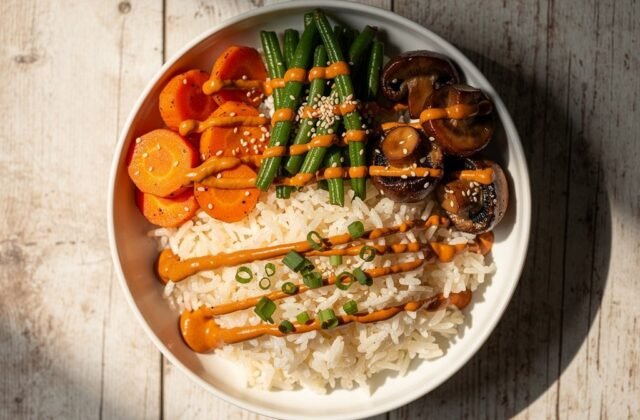
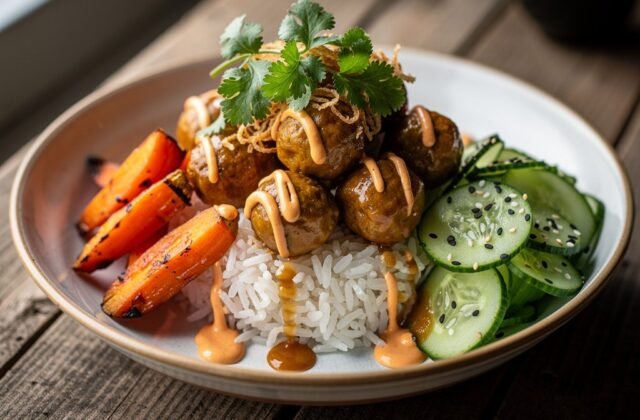
Bibimbap, which literally means ‘mixed rice,’ is a beloved Korean dish that brings together a variety of toppings over a bed of warm rice. This version features savory ground pork, sweet carrots, tender zucchini and tangy pickled scallions, all tied together with a spicy gochujang sauce.
The magic happens when you mix everything together, allowing the flavors and textures to meld into one delicious, satisfying bowl. It’s a quick and easy weeknight dinner that feels special enough for company.
Log in to save recipes and build weekly shopping lists.
Recipe details
Nutrition per serving
Dietary labels
Allergen check
Values are calculated per serving from ingredient amounts and the ingredient nutrition reference per 100g. Allergen and diet labels use available ingredient metadata and name matching; always check product labels for strict diets or allergies.
Ingredients





Instructions
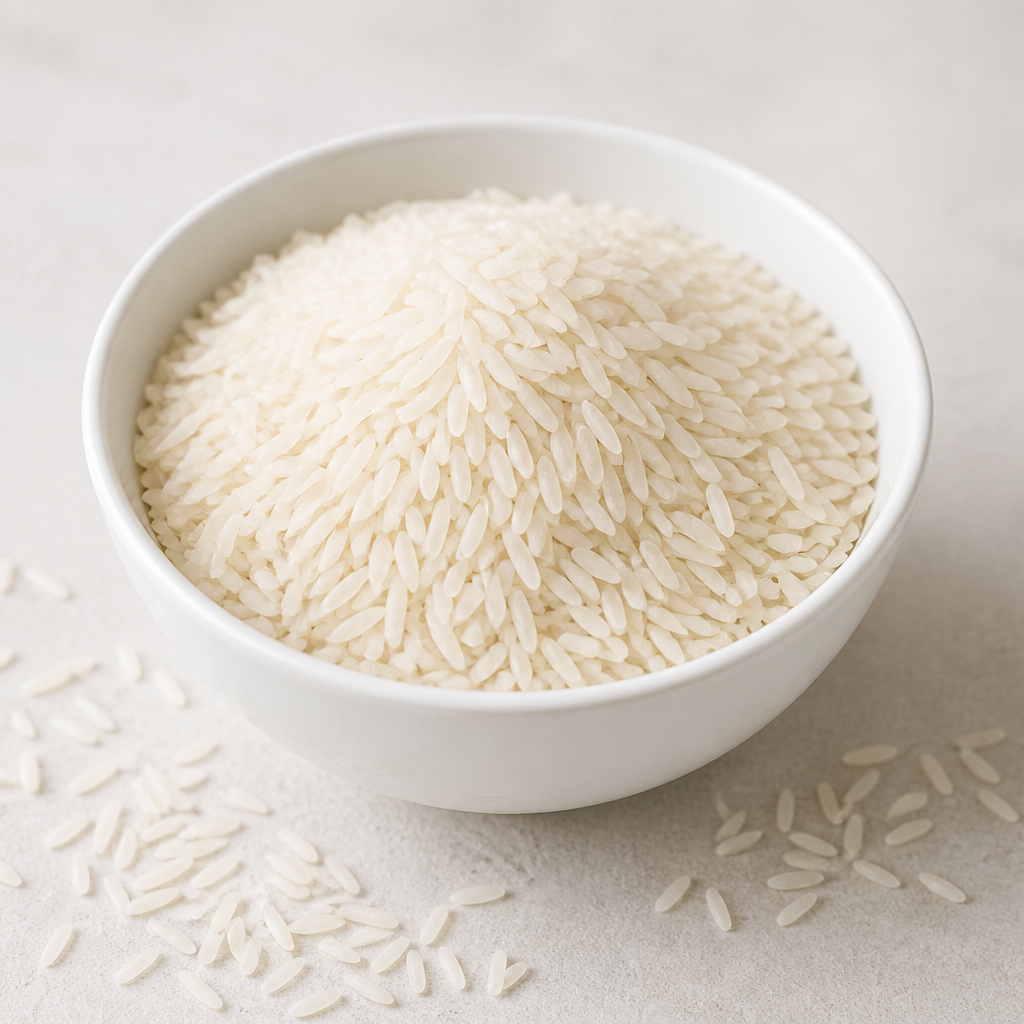
- Cook the jasmine rice according to package directions; set aside.
- While the rice cooks, prepare the vegetables: peel and julienne the carrot, slice the zucchini into half-moons and thinly slice the scallions. Mince the garlic and grate or mince the ginger.
- In a small bowl, whisk together the soy sauce, white wine vinegar, sugar and half of the sesame oil. Set aside.
- In a separate small bowl, combine the gochujang sauce with 1 tablespoon water to thin it slightly; set aside.
- Heat the cooking oil in a large skillet over medium-high heat. Add the ground pork and cook, breaking it up, until browned, about 5 minutes. Add the garlic and ginger and cook for 1 minute more. Stir in half of the soy-vinegar mixture and cook for 1 minute. Transfer the pork to a bowl.
- In the same skillet, add the remaining sesame oil. Add the carrot and zucchini and cook until tender-crisp, about 3 minutes. Add the remaining soy-vinegar mixture and toss to coat.
- To serve, divide the rice among bowls. Top with the cooked pork, vegetables and sliced scallions. Drizzle with the gochujang sauce. Mix everything together just before eating.
Recipe Tips
For best texture, use freshly cooked rice that’s still warm.
If you prefer more heat, add extra gochujang sauce to taste.
Feel free to substitute ground turkey or chicken for the pork.
FAQ
Can I use brown rice instead of jasmine rice?
Yes, but adjust the cooking time and liquid according to the package instructions for brown rice.
What can I substitute for gochujang?
Gochujang is a Korean chili paste. You can substitute with sriracha mixed with a little miso paste or use a combination of chili garlic sauce and a touch of honey.
How do I store leftovers?
Store the components separately in airtight containers in the refrigerator for up to 3 days. Reheat in a skillet or microwave and mix before serving.








Recipe comments
0 DandyRecipes comments
Log in to comment on this recipe.
No DandyRecipes comments yet.