

Duck might seem intimidating, but it’s actually one of the easiest proteins to cook at home-and the payoff is huge. The key is rendering the fat slowly until the skin turns shatteringly crisp, while the meat stays juicy and tender. And don’t you dare discard that liquid gold: the rendered duck fat is used to fry potatoes until they’re golden and irresistible.
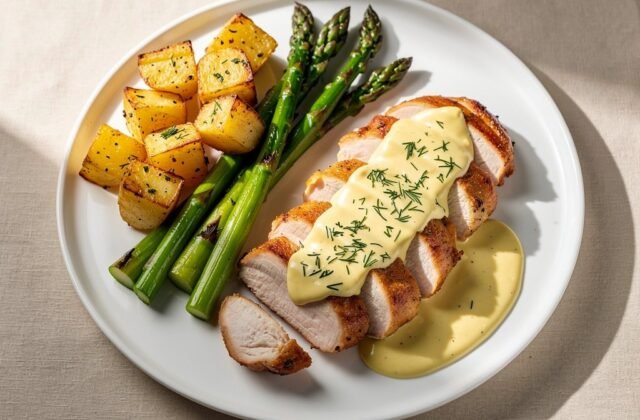
This complete meal features perfectly seared duck breasts, crispy duck-fat fingerling potatoes, steamed asparagus with burst grape tomatoes and a luscious pan sauce made from chicken demi-glace and butter. It’s a special dinner that feels luxurious but is surprisingly simple to pull off.
Log in to save recipes and build weekly shopping lists.
Recipe details
Nutrition per serving
Dietary labels
Allergen check
Values are calculated per serving from ingredient amounts and the ingredient nutrition reference per 100g. Allergen and diet labels use available ingredient metadata and name matching; always check product labels for strict diets or allergies. Some ingredient amounts or nutrition values were incomplete, so this is marked as a partial estimate.
Ingredients




Instructions
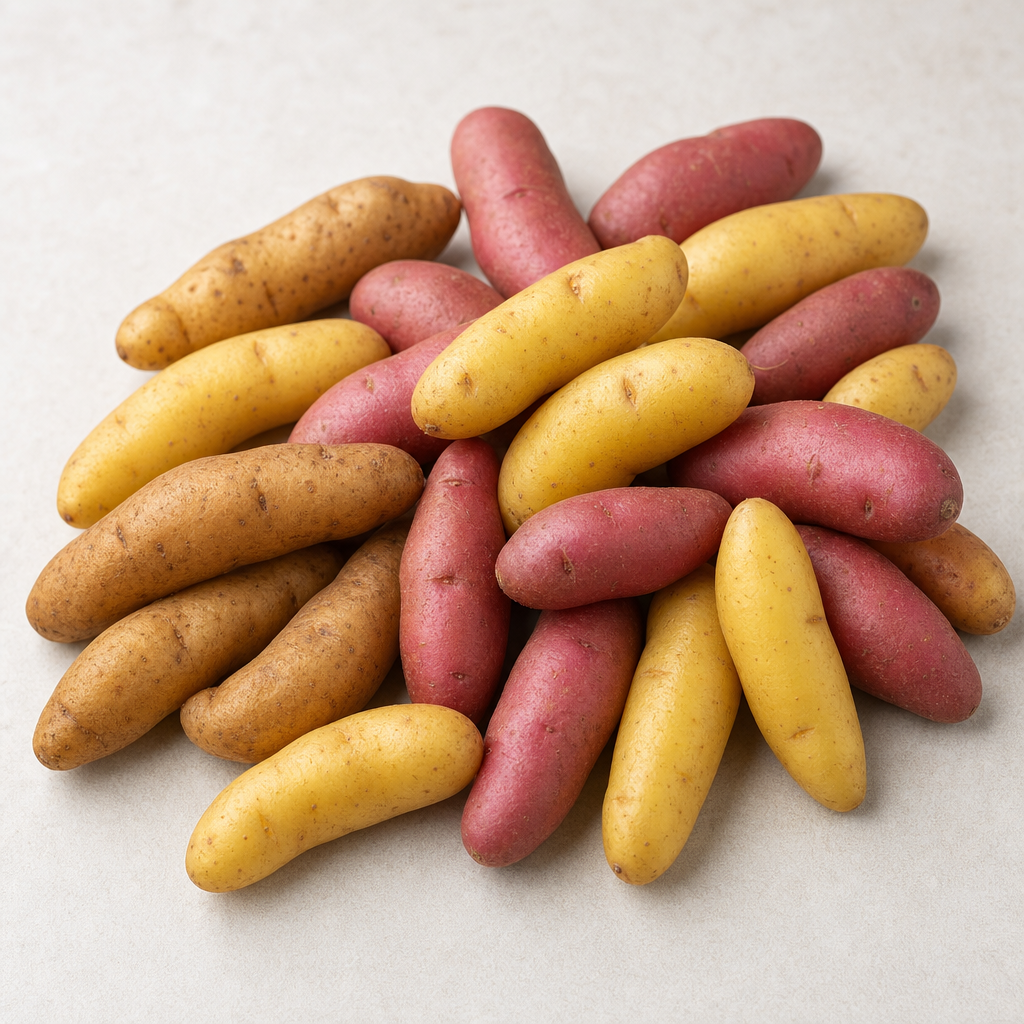
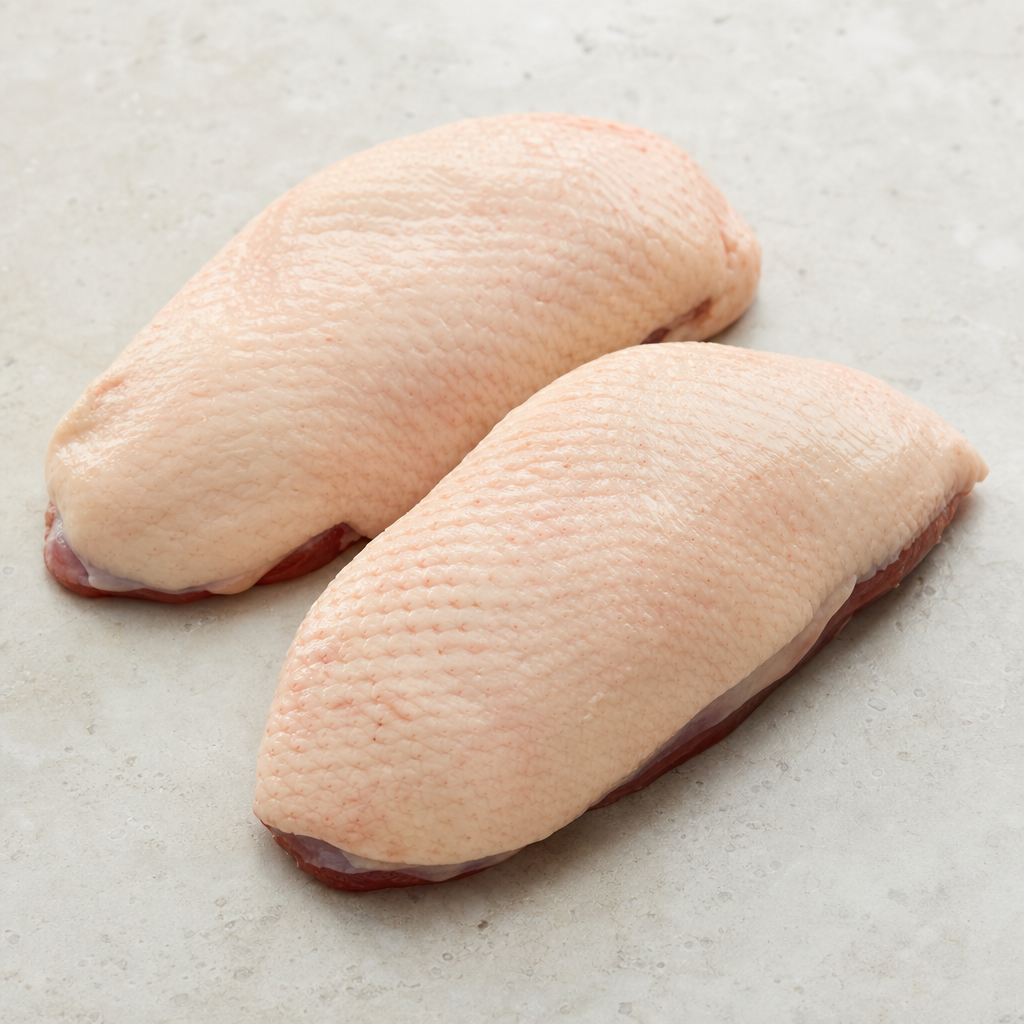
- Wash and dry all produce. Halve the fingerling potatoes lengthwise. Place them in a medium pot and add enough salted water to cover by 2 inches. Bring to a boil and cook until easily pierced with a knife, about 15 minutes. Drain well and set aside in the pot. Meanwhile, trim the woody ends from the asparagus and slice the chives thinly. Pat the duck breasts dry with paper towels and season generously with salt and pepper.
- Place the duck breasts skin side down in a large cold pan. Cook over medium heat until the skin is deep golden and crisp and most of the fat has rendered, 10-15 minutes. As the fat accumulates, pour it off into a heatproof bowl and reserve. If the skin starts to burn, reduce the heat. Flip the duck and cook to your desired doneness, 2-5 minutes more. Transfer the duck to a cutting board and let rest. Rinse and wipe out the pan.
- Add just enough of the reserved duck fat to the pot with the potatoes to coat the bottom. Place over medium-high heat and cook, stirring occasionally, until the potatoes are browned and crispy on all sides, 3-5 minutes. (For 4 servings, work in batches to avoid overcrowding.) Remove from the pot and season with salt and pepper.
- In the same pan used for the duck, add the asparagus and 2 teaspoons of water (2 tablespoons for 4 servings). Cover and steam over medium heat for 3 minutes. Uncover, increase the heat to medium-high and add the grape tomatoes along with a drizzle of the remaining duck fat. Cook, stirring occasionally, until the asparagus is tender and the tomatoes begin to burst, 3-5 minutes. Season with salt and pepper, then transfer the vegetables to a plate.
- To the same pan, add the chicken demi-glace, ¼ cup water (⅓ cup for 4 servings) and 2 tablespoons butter (4 tablespoons for 4 servings). Bring to a boil, then remove from heat. Stir until the butter is melted and the sauce is smooth. Season with salt and pepper to taste.
- Slice the rested duck breasts crosswise against the grain. Divide the duck, potatoes and vegetables among plates. Spoon the sauce over everything and garnish with the sliced chives.
Recipe Tips
For extra crispy skin, score the duck skin in a crosshatch pattern before seasoning, being careful not to cut into the meat.
Save any extra rendered duck fat for roasting potatoes or vegetables later-it keeps in the fridge for weeks.
Let the duck rest at least 5 minutes before slicing to keep the juices inside.
FAQ
Can I use other potatoes instead of fingerlings?
Yes, small Yukon Gold or red potatoes work well. Just cut them into uniform bite-sized pieces and boil until tender before frying.
How do I know when the duck is done?
For medium-rare, cook until an instant-read thermometer inserted into the thickest part reads 130°F (54°C). The temperature will rise a few degrees while resting.
Can I substitute the chicken demi-glace?
If you don’t have demi-glace, you can use ½ cup of chicken broth plus 1 teaspoon of soy sauce or balsamic vinegar for depth, though the flavor will be less rich.









Recipe comments
0 DandyRecipes comments
Log in to comment on this recipe.
No DandyRecipes comments yet.